Table of Contents
If you're grieving, remember this: your despair reflects the depth of your link. It's not something to "obtain over" but instead to move through, lugging your love and memories onward into a life that, while for life altered, can still hold meaning and pleasure.
Sorrow is a natural psychological reaction to loss. Regreting is a procedure that can assist you come to terms with a loss, such as when a loved one passes away. Every person experiences pain differently. Your experience of sorrow and just how you manage it will certainly depend upon different aspects. These might include your age, previous experiences with pain and your spiritual or religious views.
Anticipatory sorrow implies sensation depressing prior to the loss happens. Instead of regreting for the individual, who is still with you, you may really feel sorrow for the things you will not reach do with each other in the future. When facing a substantial loss, such as the death of a loved one, it is all-natural to feel many solid emotions.
This does not suggest you have actually surrendered on the person or that you uncommitted for them. People detected with an incurable ailment and those encountering the death of an enjoyed one might experience anticipatory grief. If you have been detected with an incurable disease, you might experience numerous emotions consisting of shock, anxiety and unhappiness.
Transforming Achievement Anxiety to Sustainable Success
You grieve lost chances or experiences you'll miss out on even tiny ones, such as the enjoyment of the sunshine or a warm cup of coffee. If someone you like is dealing with a terminal disease, it is typical to experience awaiting despair in the months, weeks and days before fatality. You might grieve the very same things your loved one is mourning, or various losses completely.
You may feel that the person you knew is already gone, also if they are still physically there. If your enjoyed one has a decrease in physical health or flexibility, you may feel awaiting pain as you shed the chance to share experiences, such as leisure activities, holidays or occasions.
This is specifically real if you invest a great deal of time looking after the person. You may miss activities you utilized to delight in with each other and feel grief concerning the change in your relationship. The nature of your relationship might transform as you tackle a carer's role, or become the one being looked after.
Sensations of pain prior to death are typical it's crucial to identify them, and to talk concerning them. Experiencing anticipatory pain does not always imply that you will regret your loved one any type of less after they are gone.

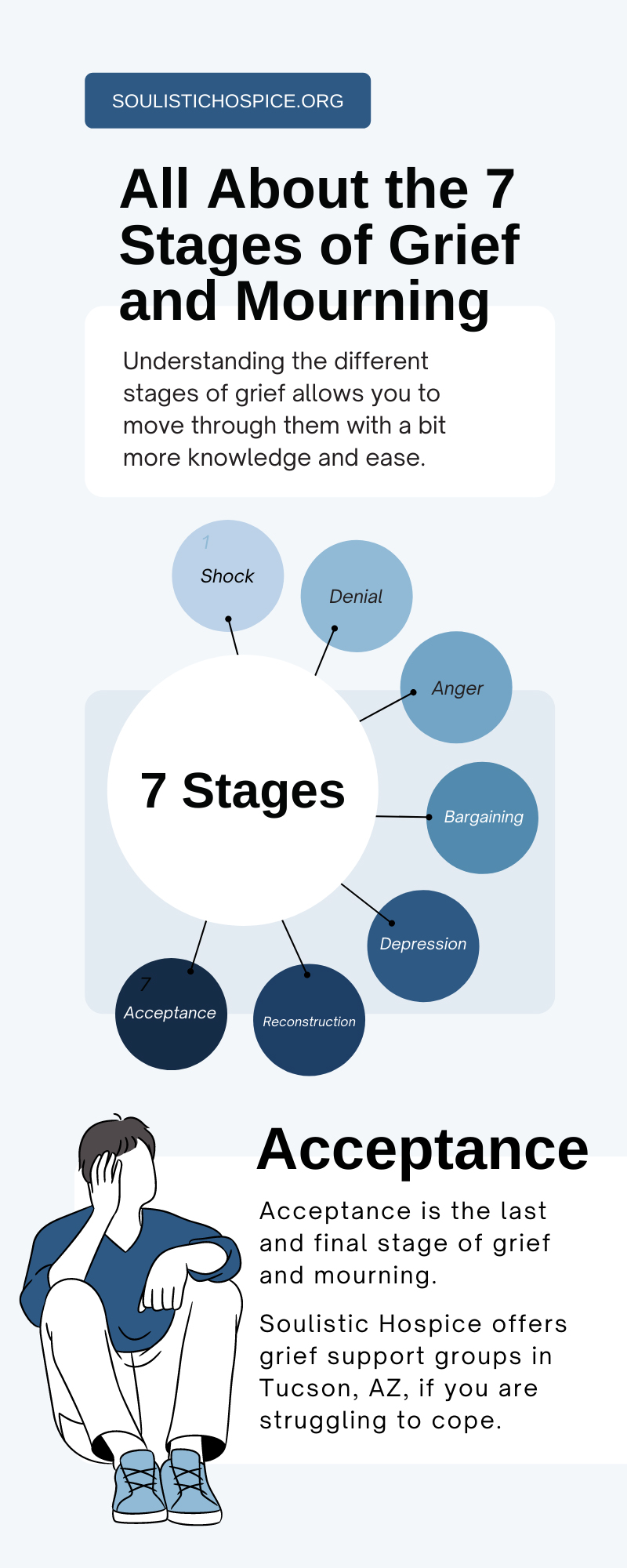
People discuss the five phases of grief as: denial rage negotiating anxiety approval. In reality, we do not experience sensations of despair one by one or in a particular order. We know that there are no collection phases that everyone experiences. You might experience these things because they are all regular sensations of despair.
It's normal to feel various other points too, such as shock, anxiety, exhaustion, or shame. Some people really feel numb after the death of an individual they appreciated. They may even try to lug on as though absolutely nothing has occurred. If you experience this, it could be due to the fact that it's simply as well unsubstantiated that the person you know so well is not coming back.
Relational Healing in the Treatment Relationship for Depression Specialists
Maybe they guarantee themselves that they will certainly currently constantly do (or not do) something, believing that it could make the individual who has actually passed away come back. People may also find that they keep going back over the past and ask great deals of 'what if' concerns, wanting that they could go back and transform points so that they might have turned out in a different way.
These sensations can be extremely intense and painful, and they may come and go over many months or years. However many people discover that uncomfortable sensations like this ended up being much less solid with time. If you do not feel this is the situation for you, then you should ask for aid.
Her model came to be commonly accepted as a means to understand despair, but gradually, sorrow counsellors and scientists increased upon it, resulting in the growth of the. This extensive version includes added emotional responses that people may experience: The first response to loss commonly brings shock and shock. This stage acts as a safety device, allowing us to absorb the reality of our loss in workable doses.

Sensations of regret or shame may arisewondering if you might have done something in different ways, or feeling grief over points left unspoken. Despair can manifest as angertoward yourself, others, or even the person that has actually passed.

Navigation
Latest Posts
How Controlling Partners Exacerbate Disordered Eating
When Rapid Trauma Processing Addresses Deep-Seated Wounds of Disordered Eating
Blending Multiple Therapies for Comprehensive Care