Table of Contents
- – Understanding LGBTQ-Affirming Therapy: Beyond ...
- – Consuming Problem Therapy in the LGBTQ Area
- – Transgender Care: Supporting Gender Journey an...
- – Trauma Therapy for LGBTQ Individuals
- – OCD Treatment in LGBTQ Contexts
- – Art Treatment: Creative Expression in LGBTQ Me...
- – Selecting Your LGBTQ-Affirming Therapist
- – Approaching Genuine Healing
Internal Family Systems
Browsing mental health treatment as an LGBTQ person requires greater than simply tolerance-- it demands real affirmation, social competency, and specialized understanding of the special challenges queer and transgender individuals deal with. When seeking treatment for consuming conditions, injury, OCD, or gender-related issues, locating a therapist that integrates LGBTQ-affirming methods isn't just preferable, it's essential for effective therapy. The junction of identity and psychological health shapes every element of therapeutic work, making specialized treatment important for authentic recovery.
Understanding LGBTQ-Affirming Therapy: Beyond Surface-Level Approval
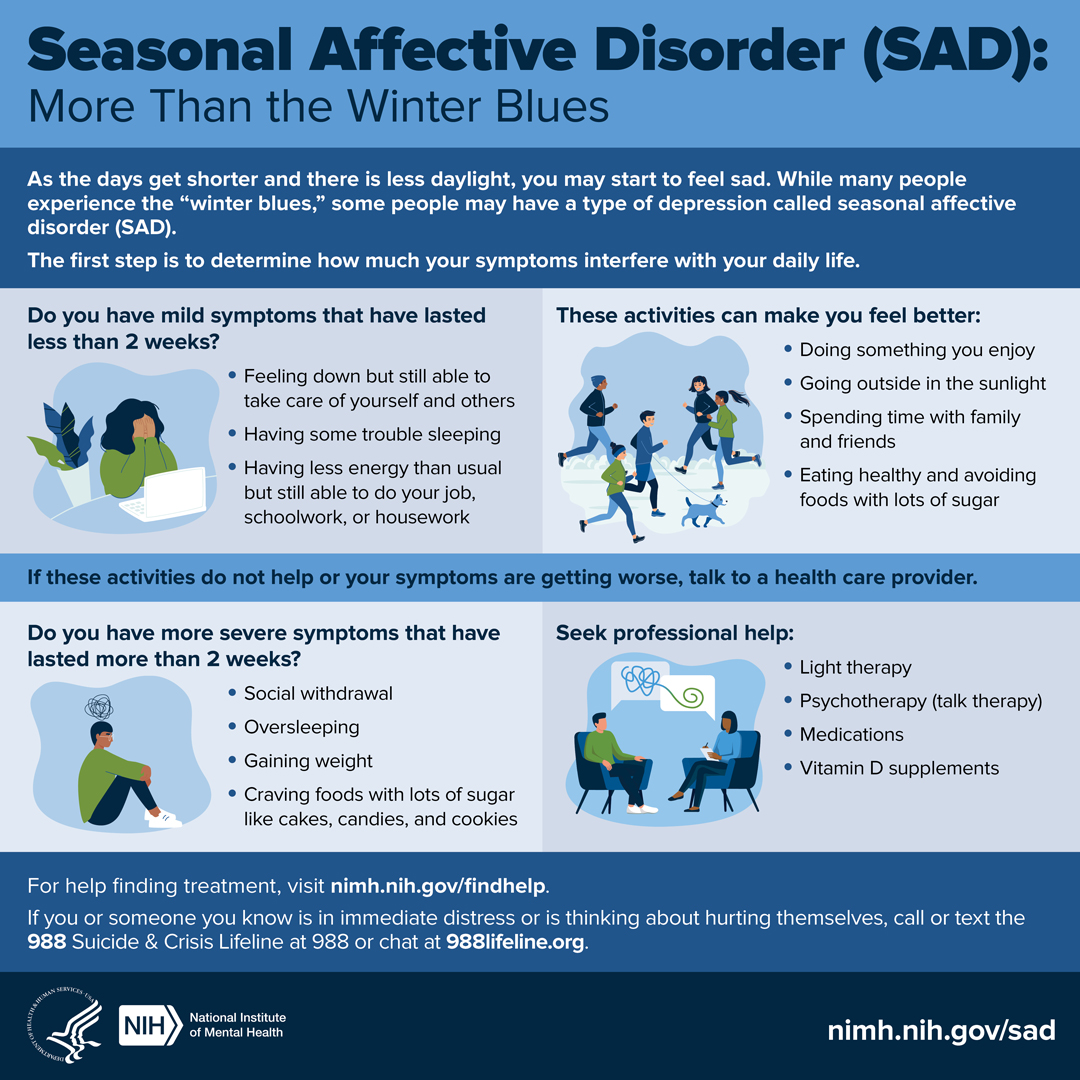
LGBTQ-affirming therapy goes much much deeper than rainbow flags in the waiting area or pronouns in e-mail trademarks. Really attesting therapists understand how minority anxiety, discrimination, family being rejected, and societal marginalization impact psychological wellness across the queer neighborhood. They identify that many mental health and wellness struggles-- including consuming problems, stress and anxiety, clinical depression, and trauma-- are frequently rooted in or intensified by experiences of homophobia, transphobia, and heteronormativity.
Rubertić Therapy's approach to LGBTQ treatment exhibits this depth of understanding. Instead of treating sexual positioning or sex identification as different from other psychological wellness issues, affirming specialists integrate this understanding throughout treatment. An eating disorder in a transgender client isn't just about food and body picture-- it may entail sex dysphoria, social change tension, and internalized transphobia. OCD in a queer individual may materialize via invasive thoughts about sexual alignment, requiring specialized recognizing to treat effectively.
The difference between tolerant and attesting therapy ends up being clear in method. Tolerant therapists approve LGBTQ clients yet might lack knowledge about queer experiences, count on obsolete terms, or inadvertently perpetuate damaging presumptions. Verifying specialists actively celebrate LGBTQ identities, stay present on community issues, recognize intersectionality, and acknowledge their very own prejudices. This structure creates safety and security for customers to discover their authentic selves without fear of judgment or misconception.
Consuming Problem Therapy in the LGBTQ Area
Consuming conditions disproportionately affect LGBTQ individuals, specifically transgender and gender-nonconforming individuals. Research reveals gay and bisexual men experience eating problems at rates significantly higher than heterosexual males, while transgender individuals deal with raised risks across all gender identities. These data mirror the complex relationship in between body picture, sex identity, minority anxiety, and disordered consuming that LGBTQ-affirming eating condition treatment must deal with.
For transgender clients, consuming conditions might arise as attempts to regulate physical look throughout gender shift, manage dysphoria, or adapt binary sex assumptions. A transmasculine person could restrict eating to decrease contours, while a transfeminine individual may involve in disordered habits to accomplish specific visual perfects. LGBTQ-affirming eating disorder therapists understand these nuances and stay clear of one-size-fits-all therapy techniques created mainly for cisgender, heterosexual ladies.
Gay and bisexual males deal with special pressures within queer neighborhood spaces where physical look frequently carries enhanced social money. Body image problems intersect with dating app culture, fitness center culture, and internalized homophobia to produce vulnerability to anorexia, bulimia, and muscle dysmorphia. Attesting therapists acknowledge these social elements while aiding customers establish authentic connections with their bodies different from external validation.
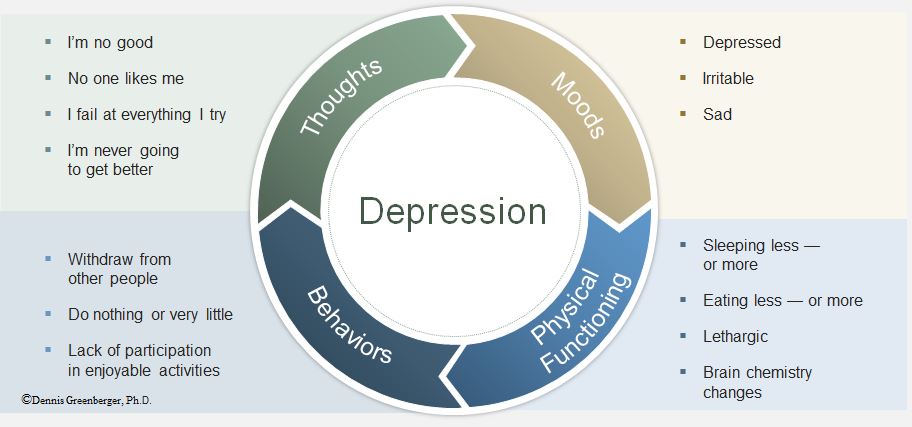
Efficient eating condition treatment for LGBTQ customers incorporates trauma-informed treatment, addresses minority stress and anxiety, and supports customers in establishing body approval within the context of their authentic identifications. Therapists have to understand how social rejection, family dynamics, and discrimination add to disordered eating while helping clients build healthier coping mechanisms and self-compassion.
Transgender Care: Supporting Gender Journey and Mental Health And Wellness
Transgender individuals seeking mental wellness assistance require therapists that comprehend the distinction in between sustaining sex exploration and gatekeeping access to gender-affirming care. LGBTQ-affirming specialists functioning with transgender clients give assessment and assistance letters when medically suitable while additionally addressing the mental wellness issues that bring people to treatment-- whether those concerns connect to gender identity or otherwise.
Numerous transgender individuals experience anxiousness, depression, and trauma pertaining to gender dysphoria, discrimination, family members denial, and browsing medical shift. Competent transgender treatment addresses these difficulties while verifying clients' gender identifications and sustaining their autonomy in transition choices. Therapists have to comprehend hormone treatment effects, medical options, social transition challenges, and the psychological wellness impacts of residing in a society with limited understanding of sex diversity.
The restorative relationship itself can be recovery for transgender clients who've experienced invalidation from medical companies, household participants, and previous specialists. When a therapist utilizes appropriate names and pronouns continually, understands transition-related terminology, and confirms the client's sex experience, it develops foundation for deeper therapeutic job. This affirmation allows customers to resolve various other mental wellness worries without frequently defending their identification.
Rubertić Counseling's field of expertise in transgender care demonstrates the value of functioning with therapists who keep active participation in LGBTQ communities, pursue continuous education and learning about sex diversity, and recognize just how sex identity converges with other aspects of psychological wellness. This experience ensures customers receive experienced, respectful treatment throughout their healing journey.
Trauma Therapy for LGBTQ Individuals
LGBTQ individuals experience both specific stressful events and the collective trauma of living in heteronormative, cisnormative culture. Lots of carry youth injury from family members rejection, bullying, or religious condemnation of their identifications. Others experience grown-up injury with hate criminal activities, employment discrimination, healthcare mistreatment, or intimate companion violence within LGBTQ relationships. Effective injury treatment for queer and transgender clients need to deal with these split experiences.
Minority anxiety concept clarifies how chronic discrimination develops continuous mental distress similar to injury feedbacks. LGBTQ people create hypervigilance about security, experience invasive thoughts regarding possible denial, and sometimes involve in avoidance habits to lessen discrimination direct exposure. These injury symptoms need healing techniques that validate the truth of social oppression while developing durability and recovery.
LGBTQ-affirming trauma therapists comprehend how coming out experiences can be stressful, just how household rejection creates complex trauma, and exactly how religious injury particularly impacts queer people elevated in conventional settings. They identify that some trauma stems straight from previous therapy experiences where professionals tried conversion treatment, pathologized LGBTQ identities, or demonstrated profound ignorance concerning queer lives.
Methods like EMDR, somatic treatment, and Interior Family Solutions work efficiently for LGBTQ trauma when supplied by verifying therapists that understand community-specific experiences. Processing youth memories of concealing sex-related orientation differs significantly from refining heterosexual experiences, needing therapists who can hold space for these special stories without lessening or misconstruing their influence.
OCD Treatment in LGBTQ Contexts
Obsessive-compulsive disorder in LGBTQ individuals occasionally entails intrusive ideas especially pertaining to sexual positioning or sex identification-- often called sexual preference OCD or sex identification OCD. These discussions call for therapists that can differentiate between OCD signs and authentic identification expedition, recognizing that somebody experiencing SO-OCD isn't doubting their sexual preference however rather experiencing anxiety-driven intrusive thoughts about it.
LGBTQ-affirming OCD therapy uses evidence-based strategies like Exposure and Reaction Prevention (ERP) while keeping sensitivity to just how sexual preference and gender identity operate in different ways than OCD fixations. A therapist not familiar with LGBTQ experiences could accidentally reinforce dangerous concepts or fall short to acknowledge reputable identity expedition distinctive from OCD signs and symptoms.
Queer & Trans TeensPast identity-specific OCD discussions, LGBTQ individuals experience the full variety of OCD signs-- contamination concerns, inspecting habits, invasive violent or sex-related ideas, and much more. Verifying therapists treat these signs successfully while comprehending how minority tension might exacerbate OCD and just how specific fixations could show internalized homophobia or transphobia needing extra restorative focus.
Art Treatment: Creative Expression in LGBTQ Mental Wellness
Art therapy offers special benefits for LGBTQ individuals, offering nonverbal pathways to check out identity, procedure injury, and reveal experiences that words alone can not record. Innovative expression bypasses a few of the intellectualization that can take place in standard talk therapy, enabling deeper emotional handling and self-discovery.
For transgender customers, art therapy sustains gender expedition and expression in safe, validating settings. Producing self-portraits, checking out shade and form pertaining to gender experience, or processing transition-related feelings with creative work offers effective recovery possibilities. LGBTQ people refining trauma, consuming conditions, or OCD gain from art therapy's capacity to externalize challenging experiences and create range for handling.
LGBTQ-affirming art specialists recognize queer aesthetic appeals, identify references to LGBTQ culture and background, and create comprehensive rooms where customers can explore identity with creative mediums. This specialized expertise boosts restorative efficiency while showing social competency that develops trust fund and safety and security.
Queer & Trans TeensSelecting Your LGBTQ-Affirming Therapist
Locating the appropriate LGBTQ-affirming therapist involves greater than looking directory sites for rainbow symbols. Think about these variables when reviewing possible specialists:
- Active participation in LGBTQ areas and ongoing social proficiency training
- Specific experience with your particular problems, whether eating conditions, transgender care, injury, OCD, or other concerns
- Clear verifying language on their site and in initial communications
- Desire to review their strategy to LGBTQ-affirming care during assessment
- Comprehending of intersectionality and just how race, course, disability, and various other identities converge with LGBTQ experiences
- Evidence-based treatment techniques provided with cultural level of sensitivity
Rubertić Therapy's expertise throughout eating conditions, LGBTQ therapy, transgender treatment, trauma, OCD, and art treatment represents the detailed, affirming approach that creates significant adjustment. When therapists incorporate scientific experience with real LGBTQ affirmation, they create recovery rooms where clients can deal with mental health and wellness worries while commemorating their authentic identities.
Approaching Genuine Healing
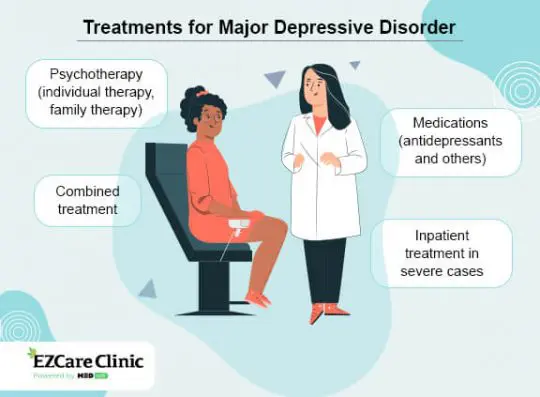
LGBTQ-affirming therapy uses greater than signs and symptom decrease-- it offers pathways to living authentically, recovery from discrimination's impacts, and structure lives lined up with your true self. Whether you're seeking support for consuming problems, browsing sex transition, refining trauma, handling OCD, or discovering creative recovery via art therapy, specialized verifying treatment makes all the difference. Your identification isn't something to get rid of in treatment; it's an important part of that you are that deserves party and combination throughout your healing journey.

Table of Contents
- – Understanding LGBTQ-Affirming Therapy: Beyond ...
- – Consuming Problem Therapy in the LGBTQ Area
- – Transgender Care: Supporting Gender Journey an...
- – Trauma Therapy for LGBTQ Individuals
- – OCD Treatment in LGBTQ Contexts
- – Art Treatment: Creative Expression in LGBTQ Me...
- – Selecting Your LGBTQ-Affirming Therapist
- – Approaching Genuine Healing
Latest Posts
Communication Tools That Emotionally Focused Therapy Strengthen Bonds
How Controlling Partners Exacerbate Disordered Eating
When Rapid Trauma Processing Addresses Deep-Seated Wounds of Disordered Eating
Navigation
Latest Posts
Communication Tools That Emotionally Focused Therapy Strengthen Bonds
How Controlling Partners Exacerbate Disordered Eating
When Rapid Trauma Processing Addresses Deep-Seated Wounds of Disordered Eating